






By Hannah Bower; Photo Credits to Hannah Bower
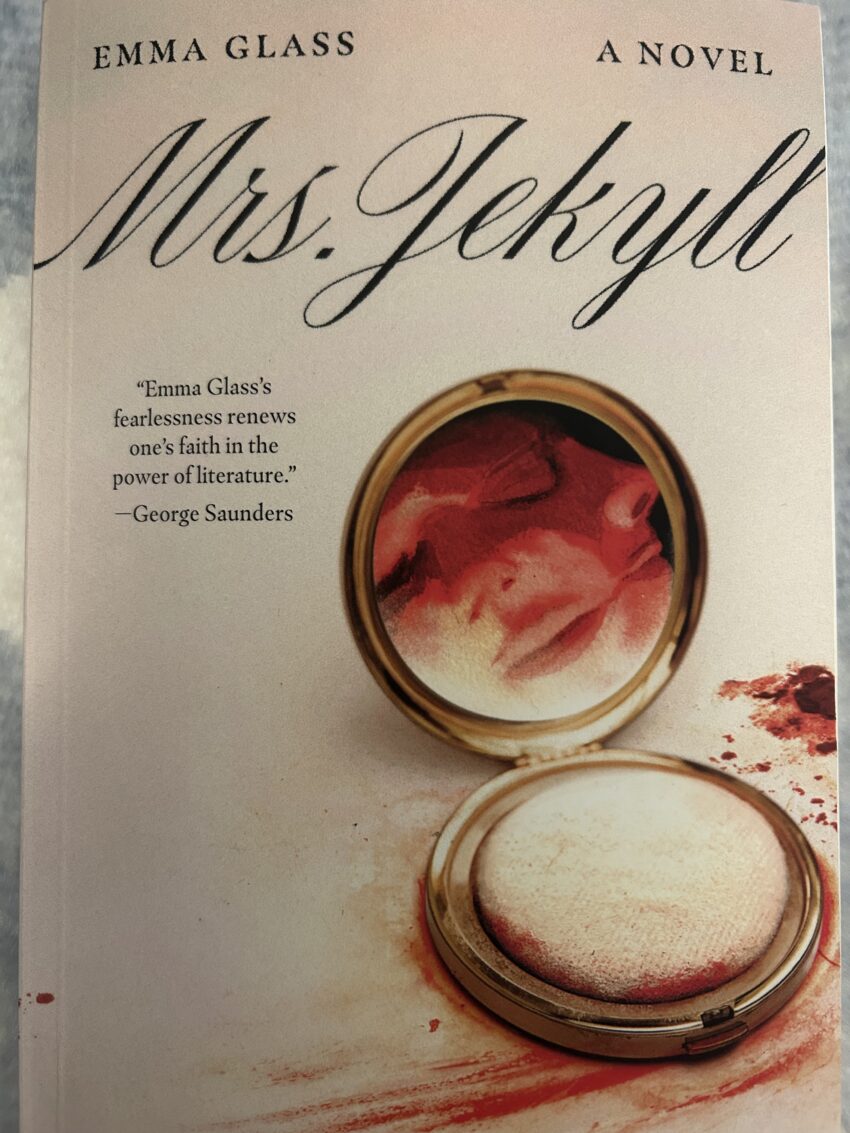
If you’re familiar with the classic novel “The Strange Case of Dr. Jekyll and Mr. Hyde,” you may know Emma Glass’s modern feminist retelling, “Mrs. Jekyll.” Set in present-day London, “Mrs. Jekyll” follows Rosy, an elementary school teacher who is dying of breast cancer. Rosy struggles with her sense of self, and while her husband and family try to understand, Rosy is alone with her existentialism and anticipation of the end. However, Rosy soon receives insight regarding a powerful force inside of her that she doesn’t realize emerges.
Rosy’s physical and mental state are deteriorating. She has lost nearly all her hair along with her strength, and against her will, she becomes increasingly reliant on her mother and her husband Charlie. Her sister-in-law, Sally, takes her out for a day to visit a tarot reader. Sally is skeptical, but Rosy’s reading alludes to The Empress, a confident, unapologetic version of herself that is within her. Unfortunately, there is a darker truth to this figure that Rosy is unaware of.
Nola is beautiful, seemingly perfect. At night, she takes over, going out, meeting various men, learning about the world. She is the center of her own world, worthy of everyone’s attention and worship. But suspicion begins to arise after Charlie goes out, comes home throwing up, and Rosy has seemingly gone out but with no recollection of it. And when there’s news of a man being bludgeoned to death, Rosy becomes even more of a target.
Instead of empowering Rosy like she initially believed, Nola takes her power away from her. She is everything Rosy wishes to be and takes advantage of that. Meanwhile, Rosy gets weaker, and her conflict with her job, her relationship with Charlie, and her self-image fade away.
This novel views Jekyll and Hyde from a new perspective. It explores themes of female empowerment, sexuality, illness, existentialism, and the patriarchal beauty standards that women are expected to follow. Each character is vulnerable and empathetic, especially Rosy. She reaches a point where she stops caring about herself. She stops taking her medicine. After months of trying to make herself “beautiful,” she embraces the ugly creature she believes she has become. From seeing healthy women on the streets to Charlie becoming less of a partner and more of a nurse, Rosy wonders what the point is of staying alive anymore, all while Nola subconsciously drains the hope from her every night.
Written by and told through the perspective of women, “Mrs. Jekyll” takes an eerie tale and gives it a twist of deep sadness and relatability. Rosy is for the women who have never felt like they were enough, but I would highly recommend this book for anyone.