



Lauren Quinn, News Editor
There have already been at least 10,614 transplant surgeries performed in 2026, solely in the Northeast region of the United States.
Susquehanna University’s chapter of the Public Relations Student Society of America (PRSSA) has created and executed successful week-long campaigns about Organ Donation Awareness for several years. This year’s theme, “Be a Hero, Save a Life”, emphasizes how opting into organ donation can turn you into a real-life superhero.
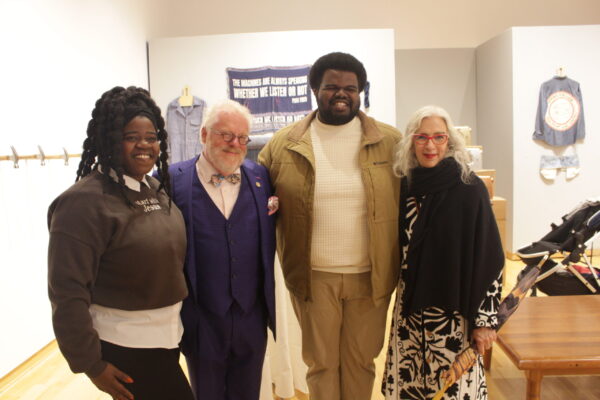
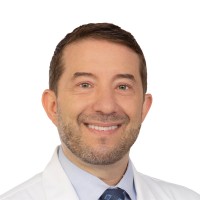
As part of PRSSA’s campaign, on Wednesday, March 25 in Apfelbaum Hall, Dr. Michael Marvin, M.D., and Susquehanna student Cade Hovey left dozens of students in awe as they shared their stories about the nitty gritty of organ donation and transplantation.
The event began with Hovey recalling his own personal journey to receiving a new liver, which he went into surgery for on Sep. 23, 2020. At just 16 years old, Hovey underwent a life-altering procedure.
He stated that the surgery gave him “an entire new lease on life”.
When Hovey was only 13 months old, his mother was told by his primary care physician to rush him to the emergency room due to concerning symptoms. He was eventually diagnosed with Progressive Familial Intrahepatic Cholestasis (PFIC). It is a genetic disease that causes severe liver implications from the buildup of bile acid in liver cells. Up until surgery, Hovey’s mind and body went through a constant daily struggle of insomnia, uncontrollable itching, and the inability to go through childhood as his peers did.
“It basically felt as if there was a colony of fire ants underneath my skin every second of the day, and after 16 years of that, it’s really tiring… I got an hour to two and a half hours of sleep per night for over a year”, explained Hovey.
From the age of 1 to 16, he lived with an ostomy bag attached to his stomach to filter out bile. After years of unknowing, tough decisions and symptoms not improving, Hovey and his family decided that the best course of action was for him to get put onto the transplant wait list for a new liver. People placed on this list typically wait years for a new organ, but Hovey only had to wait about one month before getting a call that he had a perfect match.
After the procedure, Hovey had to learn to walk, breathe, and function like he was never able to before, but the outcome, he said, was beyond worth it.
He stated that when he tells people that he received a liver transplant, most are in shock because of how healthy and full of energy he is. From an outward perspective, it is impossible to tell. Hovey said that his family and friends have been beyond supportive throughout his entire life, especially during his surgery recovery, which means a tremendous amount to him.
Hovey also gave his thoughts on how it makes him feel when clubs such as PRSSA put so much effort into organ donation campaigns:
“It’s like the best thing in the world, if I’m being honest… it just makes me as a [organ] recipient feel seen, it makes me as a human being feel very proud of my fellow man, and as a Susquehanna student it makes me feel very comfortable to be on campus to know that the university and the faculty and the students actually care about something that I went through… I just hope that more schools do it.”
For the second half of PRSSA’s event after Hovey spoke, Dr. Marvin took the lead with an interactive presentation about his experiences as the Chair of the Department of Transplantation and Liver Surgery at Geisinger Hospital.
Dr. Marvin earned his medical degree and completed his residency at the College of Physicians and Surgeons at Columbia University. He stated that his “training was superb” at Columbia, where he learned that patience, accountability, and “critical self-evaluation” are fundamentals to success and being realistic in the medical world. It was not uncommon for him to work 40-hour days, where he would be at the hospital without going home for over a day straight.
From wanting to be a rock star to an oncologist to eventually a transplant surgeon, Dr. Marvin’s career journey has not been the smoothest: “I didn’t want to be a transplant surgeon when I was going through my training… I wanted to be a surgical oncologist to do cancer surgery… I changed my mind… 12 years into my training”. Today, he specializes in liver and kidney transplantations and prioritizes using minimally invasive techniques.
Dr. Marvin stated that in a career as a transplant surgeon, the “highs are high and the lows or low”. There are times where he has made mistakes, but there are other times where he still keeps in touch with patients from years prior. The relationships that he has formed along the way are what keep him going.
He stated that when transplants are successful, “I don’t get cocky, I get thankful”, because when people get cocky, they tend to make mistakes. Dealing with organs is a slippery slope and if things are not handled in a timely and strategic manner, lives can be lost. Dr. Marvin also discussed recent innovative technology that allows organs to be sustained in a simulated human body-like environment in order to allow more time between when an organ is donated and when a surgery is performed.
Dr. Marvin works hard to promote organ donation and the fact that “accurate education is key” when it comes to the process and truth of it. He uses the term “recover” rather than “harvest” when it comes to extracting a person’s organs after they have passed, out of respect for the donor and their family. Thanking the donors, said Dr. Marvin, is the most important part of organ donation. For donors who are deceased, the ability to repurpose their organs to aid and improve another person’s life is creating “something amazing out of something tragic”.
Common misconceptions about organ donation can be squashed by educating yourself, encouraged Hovey. “I am here because of it [organ donation],” he said. For living donors, the process of donating an organ is extremely thorough and safe, and as for deceased donors, organs are not recovered until a person has stopped breathing on their own and are unable to be resuscitated. For those interested in becoming an organ donor, they can register online at https://donatelifepa.org.
Next time you get your driver’s license renewed, put a little extra thought into checking the organ donor box.