



By Alice Preputnick; Photo Credits to Alice Preputnick
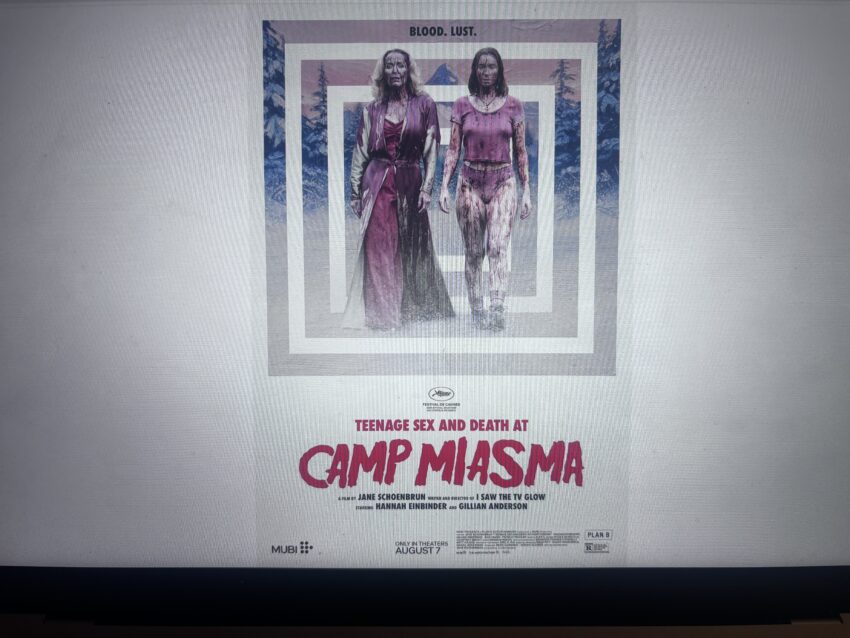
Movie directors often have a distinct style when filming. Whether it’s the cinematography and organization of shops, costumes or overall filming aesthetics, the viewer can usually pick out key aspects that line up with the director’s style. At least, this is true for Jane Schoenbrun, the director of the 2026 film “Teenage Sex and Death at Camp Miasma”.
This film follows Kris, an inspiring filmmaker, who is given the opportunity to reboot one of her favorite film franchises, “Camp Miasma”. To accomplish this, she goes to the campsite where the film was made and strikes up a relationship with the film’s star actress, Billy Presley.
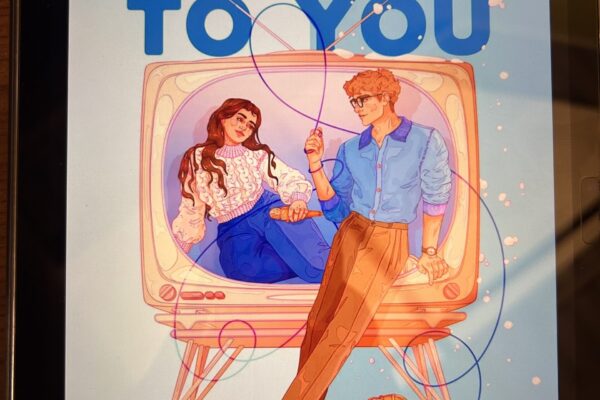
“Teenage Sex and Death at Camp Miasma” is a hard movie to look away from. This movie has some of the weirdest shots I’ve ever seen, but they all work extremely well. I saw Schoenbrun’s other film, “I Saw the TV Glow”, so I sort of knew what to expect, but I was still taken aback by certain shots. I would recommend watching “I Saw the TV Glow” before watching “Teenage Sex and Death at Camp Miasma” because both movies are structured the same, but “Teenage Sex and Death at Camp Miasma” feels more mature and polished.
Still, Schoenbrun did not shy away from the absurd and artificial camera shots. There are a bunch of scenes where the background morphs into a painting, which are visually stunning. The overly stylized deaths that occur in this film stand out and look somewhat ridiculous, but I was never left feeling like they didn’t work for this film.
After I watched this movie, I read some reviews to help me better understand what I just watched, and a few of them had put into words what I was thinking during the movie.
They all said that the media we consume can become part of our identities long before we understand why. This idea is what I was thinking about almost the whole movie, and it is touched on beautifully throughout the entire film.
Kris’s attachment to the Camp Miasma movies is due to the ideas she projects onto them. She says that the movies were her “queer awakening”, even though the movies themselves don’t touch on queerness at all. Since she views the films as queer media because of her own personal circumstances, this is what helps shape her into the person she becomes at the end of the film.
This fascinated me during the movie. As someone who loves movies and is deeply impacted by them, I tend to interpret what I watch through the lens of my own biases, regardless of the filmmaker’s original intent. I find it very cool that this movie talked about this in such a unique and obscure way.
I haven’t watched a movie that’s had my full attention in the way that this one did in a long time. I couldn’t look away, and I haven’t been able to stop thinking about it since.