




By Jaidyn Steinbrecher
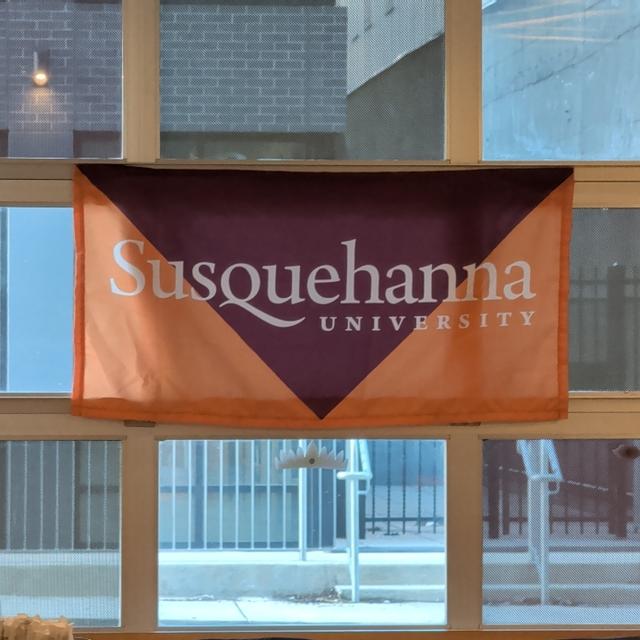
During the 2026 spring break, members of the Selinsgrove Borough Council clashed over whether Susquehanna University should be granted approval for three annual event banners amid an ongoing dispute over water and sewage billing.
The university submitted requests for its standard commencement, Welcome Home, and homecoming banners, approvals that in past years have passed with little discussion. But the mood shifted as Councilman Christian Schlieder repeatedly objected, using each vote to voice frustrations with the university over its outstanding water and sewer charges.
“As long as they are not paying… I will oppose this,” he said.
During discussion of the commencement banner, Schlieder was direct.
“As long as they are not paying for the water and sewage being used, I will oppose this,” he said.
Council President Scott Frost attempted to move the vote forward, while Councilwoman Sara Maul stepped in to second the motion.
“I feel continuing to work with our neighbors, despite other issues, is probably a smart move,” Maul said. “I don’t think we need to dig in our heels on something either.”
Councilman Todd Cox joined Schlieder in voting against all three banner approvals, while Councilman Alex Donchak abstained due to his bias in working at Susquehanna University.
A remark from Schlieder, “despite paying their bill,” underscored his frustration and drew attention to the borough’s ongoing attempts to settle financial matters with the university.
The dispute resurfaced during the vote on the Welcome Home banner, with Schlieder referencing “repeat settlements” as part of the conflict. Maul again provided the second needed to bring the motion to a vote, and the measure passed.
The homecoming banner prompted the same lineup of votes: approval from Mease and Maul, opposition from Cox and Schlieder and an abstention from Donchak.
Though all motions ultimately carried, the discussions highlighted a widening rift on the council about how to handle ongoing tensions with Susquehanna University.
The university, one of the area’s largest employers and a critical community partner, has faced scrutiny from some council members over its utility billing. While the specifics of the billing dispute were not detailed during the meeting, Schlieder’s repeated objections made clear that some officials believe the borough should use banner requests as leverage.
Maul, however, argued that withholding cooperation on ceremonial or community building matters could damage relations unnecessarily.
Council meetings often include votes on banner placements for organizations, parades and annual events. The debate on Monday, March 2 marked a clear departure from what is normally a procedural approval and revealed a council split over how to balance administrative tasks with larger political pressures.
The exchange unfolded in a meeting already packed with significant decisions, including the final vote to remove fluoride from the borough’s water system. But the banner dispute stood out as a sharp, public example of internal tension and the ongoing struggle to manage Selinsgrove’s relationship with the university.