







By Jaidyn Steinbrecher; Photo Credits to Jaidyn Steinbrecher
‘Tis that time of year, when the campus is painted white and the chilling winds seemingly never end. Whether you grew up in the wintery depths of Pennsylvania, or you have found your way to Susquehanna University from sunnier states such as Florida or California, we all endure the cold in different ways; but at the end of the day, the truth is that the cold kills.
In its “Morbidity and Mortality Weekly Report,” the Center for Disease Control (CDC) reported that in 2023, “a total of 1,024 deaths were attributed to excessive cold or hypothermia…with the highest percentage occurring in January.”
Additionally, the U.S. Department of Transportation estimates that an average of, “over 1,300 people are killed and more than 116,800 people are injured in vehicle crashes on snowy, slushy or icy pavement annually. Every year, nearly 900 people are killed and nearly 76,000 people are injured in vehicle crashes during snowfall or sleet.”
Our second week of the semester kicked off with approximately one inch of snow, which was just the beginning of the ongoing Arctic Blast—sometimes also referred to as an Arctic Cold Front, Cold Wave, or other combinations of the word. This blast is expected to hit the east coast with a second even harsher wave this coming weekend with around a foot of snow and temperatures in the negatives as we welcome our third week of the semester.
So how does a busy Susquehanna student endure these winter conditions? Today I am going to give several tips ranging from the time spent getting to class to sleeping cozily and warm in your dorm.
Staying Warm in the Dorms:
First off, let’s discuss how to keep warm at home. Bringing me to my first and most important tip for every category: be prepared!
While it’s true that our Facilities Management and Campus Safety professionals work their hardest to prepare for and clear our campus of snow and ice, it is a process that takes time and they can often be spread thin, so it is best to prepare for the worst.
Some of us native Pennsylvanians have lived through our snow-ins, but not everyone has, and not everyone knows how to prepare for that.
The first and most dire thing—that you should be doing regardless—is to ensure that all windows are closed and locked, and that the heat is at least on, even if that’s just the lowest setting. Locking your windows helps seal them just a bit tighter, so no heat is escaping.
Heaters must remain on so that the pipes inside do not freeze and burst—which can cost upwards of a thousand dollars in damages—but this is also your source of warmth.
Yet not all heaters are created the same, and many dorms’ units are either way too hot or way too cold. If you walk into your room and it either feels as though the window is open or the room is an oven, submit a work order form to Facilities Management as soon as possible!
However, with the sinking temperature, there has been a rise in requests, and it may take a while for your unit to be fixed. If your room is far too cold even with the heat on full blast, call Campus Safety at(570) 372-4444, and they can bring you a temporary space heater while you wait for the overall unit to be fixed. With that, make sure you have enough warm blankets and some comfy pajamas to keep you cozy at night.
But being locked up in your room with the additional pressures of a new semester and the ever so common winter depression can bring down your mental health. Having some nice warm lights in your room can help boost your mood.
Being snowed in can be isolating, but it can also bring your community together. Invite your friends over and play some games or watch a movie to keep up the positive vibes.
But mental health isn’t the only factor; your physical health also matters and being held up in cramped quarters with many people can come with its own risks. Make sure to keep your surfaces clean and practice regular hygiene to minimize the constantly spreading “susky flu.”
Additionally, it is important to keep hydrated and to eat like you’re hibernating as the cold increases your body’s need for energy. Skipping meals or relying solely on caffeine can leave you drained, but hot foods like soups, oatmeal, and warm sandwiches can help to regulate body temperature and provide comfort at the same time.
Ensure you have a steady stock of food, medication and other essentials in your room just in case the snow-in lasts a little longer than expected.
If you have a vehicle on campus and are comfortable driving, it is best to do so on main roads like Market Street, Route 15 and Route 522. If you do travel in your own vehicle, ensure you have some essentials in your car in case you get stuck on the road. This can include blankets, chargers, medication, water, roadside emergency kit and snacks.
But driving isn’t an option for everyone, and the shuttle schedule may be disrupted by the winter conditions, so what then? Well campus has its fair share of resources for students, such as the food pantry in Weber Chapel and in the hygiene pantry on the lower level of the Blough-Weis Library. Additionally, there are often clothing essentials in Hawk Stuff, located in Aspen Hall’s basement, and the Campus Bookstore has some basic items for sale.
There is also the option of ordering items from Grubhub, Walmart, Instacart, etc.; however, these options may be delayed due to conditions as well.
Now that we have prepared our survival kits for staying warm in the dorms, we can turn our attention to the bigger threat: bearing the outdoors.
Staying Warm on the Go:
Before you leave the comfort of your room, there are several things you should check and prepare for first.
First of all, check to see if you need to leave in the first place. Some professors will offer virtual options or will cancel class all together because of these conditions, so be sure to check your email or Canvas inbox for updates on your classes. The same can be said for club meetings and work shifts, so look out for notifications from your bosses or presidents.
Unfortunately, the majority of us will have to endure the outdoors, so what next? The next most important thing that you should be doing when you wake up is check the forecast and prepare accordingly. You should also check it consistently throughout the day just in case of a sudden weather shift.
Checking the weather will help you decide what to wear, but even when you think you have enough layers on, bring an extra just in case. Layers are essential because they trap heat and give you flexibility when you move between freezing sidewalks and overheated classrooms.
A solid base layer keeps warmth close to your body, a thicker middle layer provides insulation and a wind-resistant outer coat protects you from snow and biting gusts. Hats, gloves and thick socks aren’t accessories—they’re necessities. Waterproof boots, while not always stylish, are one of the smartest investments you can make for icy and slushy conditions.
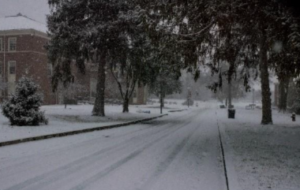
So now you’re bundled up like a sweating marshmallow, but you still aren’t done just yet. Before you leave, you should also pack all of the essentials that you packed in your room in the rare case of being snowed into class or another building around campus. Make sure you have your chargers and necessary medications, as well as some snacks to keep up your metabolism and a full bottle of water to stay hydrated.
Finally, you are ready to bear the snowy Susquehanna outside. When you do leave, make sure to do so earlier than you might have typically just in case of interrupted paths or longer walk times due to the slippery sidewalks.
It is important to know your route and have backup plans in case it is disrupted. We are all aware of the construction that has taken over many of our sidewalks, but there are chances that some walkways have yet to be salted or even shoveled.
With that, you should also know which buildings are along your route that you might be able to pass through to either get a few moments of warmth or as possible places to take cover with the possibility of a sudden snowstorm.
Finally, if for whatever reason you cannot get around campus, you can call Campus Safety for a lift, though be understanding of the fact that this may take a while due to road conditions or other students using their services.
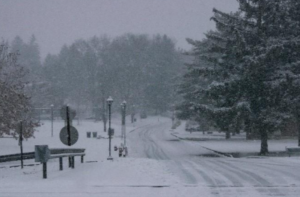
In all, surviving a frigid winter on a snowy Susquehanna campus isn’t about being tough, it’s about being prepared, flexible and kind to yourself. The cold won’t last forever, and before you know it, we will be back on Smith Lawn having picnics and playing games. With the right approach, we will all endure this Arctic Blast and come out on the other side just fine.