






By Audrey Miller; Photo Credits to Lily Primus
#GlowUp has surpassed 10 billion views on TikTok as of 2025, but its meaning goes beyond personal improvement. At its core, a glow-up is about physical, emotional and spiritual transformation. The glow up trend isn’t just for influencers and fitness fanatics; Susquehanna University is embracing it, too.
Since April 2025, the heart of Susquehanna University, the Charles B. Degenstein Campus Center (Deg), has been under renovation. For a college that prides itself on tradition, the shift towards modernity is compelling. While this construction is inconvenient to faculty and students as it presents issues with parking and pedestrian flow, it is a sign of something bigger: Susquehanna University is without a doubt glowing. These renovations reflect the strength of Susquehanna’s foundation and a commitment to progress, promising a future defined by investment, innovation and stability.
“We are hoping for continued patience,” says Assistant Facilities Manager and Acting Project Manager Chris Bailey. “We want folks to understand that this is a great thing as it allows more opportunities and flexibility for events and an overall improved experience.”
As the saying goes, “Good things take time.” That optimism is reflected in the renovation phase approach. Phase one started in April 2025 and was completed in August of the same year. This phase included the renovation of Starbucks, Evert Dining Hall and Mellon Student Lounge.
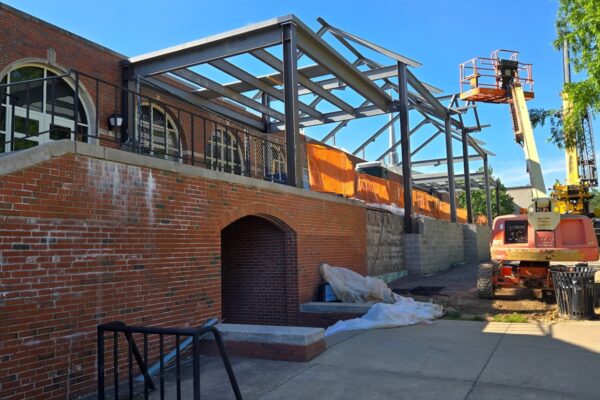
Phase two, which is represented by the large fence and dirt patch outside of Deg, includes the addition of the new event center and an additional multipurpose space. The construction is on track to be finished around late March 2026 and is expected to be in use by graduation in May 2026.
Finally, phase three will begin in May after graduation, and will finish around August of 2026. This phase will focus on fixing overall aesthetics, meeting rooms and modernizing the first floor of Deg.
While it’s not ideal to be serenaded by a jack hammer during a midterm study session, the construction is necessary. The construction positively reflects the campus’ ability to fulfill and identify areas of improvement. The Evert Dining Hall, which is located on the second floor of Deg, hasn’t been renovated since 2009. In previous years, events would be held in the dining area, forcing dining services for students to close. This much-needed addition of a banquet space will allow Susquehanna the ability to support and invite larger events on campus. Bailey believes the addition of the banquet hall as well as renovating areas like Starbucks will enhance the overall mood of Deg.
“Our goal of giving life to areas like Starbucks or adding the Mellon Lounge creates an inviting atmosphere that also encourages organic conversations. It is like printing money,” said Bailey, alluding to the natural congregation these areas create. As construction invites inconvenience, there has been discourse involving parking problems and issues with pedestrian flow. A student worker at Starbucks mentioned the struggle of getting to work amongst the traffic before the main area re-opened. The construction forced the closure of Weber Way, increasing parking issues. Faculty have found issues as well, such as the Assistant Professor of Theatre in Lighting Design Jennifer Rock, who has found issues with parking as her office is located on the first floor of Deg.
“Parking has been a bit rough,” says Rock. “If you get on campus past 10:30, good luck finding spots.”
Besides the lack of parking spots, Rock is pleased with the progress. Noise has not been an issue to the performers and hasn’t impacted the production of the fall play and musical. Rock brought up a compelling point on how the construction is a reflection of health in a time when so many colleges across the nation are cutting programs or closing due to financial issues.
“It is exciting to see the campus continue to grow, especially since so many colleges today are having issues financially,” said Rock.
Rock also appreciated the efforts of preserving the history of the original building. This can be seen through the brick arches in the Mellon Lounge, which were previously windows. This idea of preservation is something Bailey wanted to capitalize on when designing the new and improved Deg.
“We wanted to prioritize renovation over rebuilding as not only is it more sustainable but also allows us to preserve the history and foundations of the original building,” said Bailey.
The designers went in with the goal of incorporating the cultural aesthetic of Selinsgrove and surrounding areas. This is achieved through their use of river mill towns to inspire the designs. This can be seen through the higher ceilings, archways and exposed beams and bricks.
Through embracing history and preserving what once was, Susquehanna is approaching this renovation right. There is no denying that Susquehanna University is glowing. Though the dust and detours may test our patience, they’re also proof of progress. Susquehanna’s glow-up isn’t superficial; it’s a proven commitment to growth, community and a future worth investing in. To learn more, go to Campus Transformations – Susquehanna University.