







By Lily Fay; Photo Credits to the Susquehanna Athletics Department
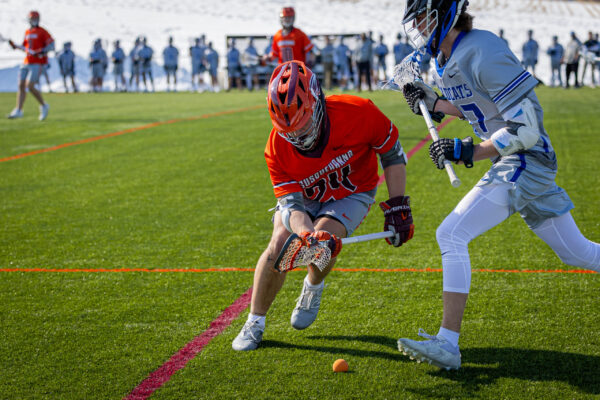
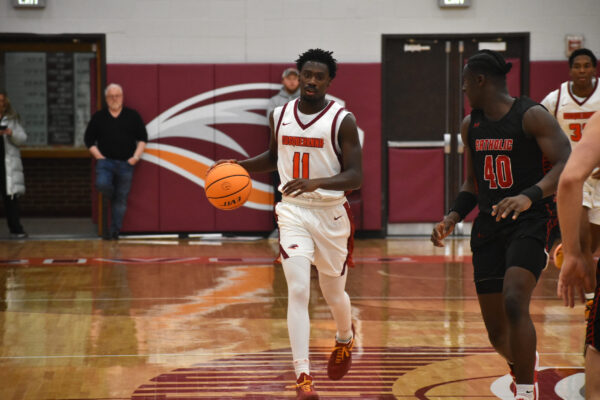
Susquehanna University has 23 NCAA Division III intercollegiate sports teams as well as a wide range of club sports. As 30% of the students who attend Susquehanna are student-athletes, I wanted to gather information on how some of these student-athletes manage their schoolwork while also being members of a team.
Now, some may think that splitting time between attending classes and attending practices is easy; however, speaking from experience, it is harder than it sounds. In reality, there is not nearly enough time in a day to get everything done or finish tasks to the standards that you want it to be.
This is why planning your experience as a student-athlete must be allocated between two concepts: requirements and tasks.
As a student athlete, you have set responsibilities in a day, such as the classes you need to attend, the practices that are mandated and even the meals that you need to eat in order to keep up with your mind and body. In other words, these are the commitments that you sign up for to be a successful student-athlete. Some other requirements may include team weightlifting sessions and showing up to class to take an exam.
Class of ’28 soccer player, Maddy Osman, suggests, “While there is more free time in the off-season, I still have to prioritize training and lifting. My main thing is trying to use the small time periods that I have, even if it’s only 30 minutes, that’s enough time to finish an assignment.”
This takes us to the other method of planning your day: tasks.
Tasks, on the other hand, consist of things that you can accomplish in between the requirements to help you lessen the stressors that come with being a student-athlete. These may include doing homework on the bus while your team is travelling to an away game or stopping at the library between classes to grab an acai bowl and study for your next exam.
Tasks are the little things that try to make your life easier, and they are typically done in the slots of free time that you have. However, you must be disciplined, because tasks are the responsibilities that you may choose not to do, even when you should.
Tasks may also include more sociable interactions, such as planning a time to work on your homework, like the 30 minutes that Osman mentioned, before you allow yourself to spend time with your friends. Being a student-athlete doesn’t mean your time has to be all work and no play. In the spaces between each day, you can still have a normal college student life and allow yourself permission to enjoy yourself within the times that you aren’t as busy.
However, there are days when you may be especially caught up in work, and in order to get it done, you must refrain from all distractions. According to Caleb Harrison, a class of ’28 club ice hockey player, “Some things I do to manage myself are setting and keeping a schedule to make sure that I am doing my work on time. I also like to turn off my phone and put it away from me when I really need to get work done to make sure that I’m not constantly checking it.”
As Harrison is a member of a club sport here at SU, he does admit to having a smaller time constraint than a typical student-athlete on campus. Regardless, he focuses on what he can do each day to stay on top of his schoolwork between his athletic appearances, so that he is less stressed later.
To answer the big question of, ‘What are some tips and tricks that you use to best prioritize both your schoolwork and sports activities?’, we have heard from two student-athletes on how they make it work, we have talked about the importance of allocating your time between both requirements and tasks within a day and this leads us to the significance of time management.
Our final student-athlete, Tessa Cronin, a class of ’29 dual sport athlete who splits her time between field hockey and swim, voices that, “Being a dual sport athlete means that I do have to make sacrifices. There have been many times when I have had to do things like skipping shopping with my friends to finish an essay.”
As Cronin says, being a student-athlete in general does mean you may have to make sacrifices to avoid the things that you really want to do. However, being on a team does allow you to enjoy yourself, because you have your teammates to spend time with, and you get to continue playing the sport(s) that you love.
Yes, there are sometimes activities that you must give up because, for example, you need to attend a night class from 7pm to 10pm, and other times you may need to miss something fun so that you can accomplish a task, such as going to the trainer’s room to get ice or wrapped.
Time management can be an ordeal, even at a division three level, but there are so many aspects that are rewarding. Being a student athlete at this school lets you know your professors on a personal level, feel more comfortable around your coaches and allows you to have a commitment to your major, not just your sport. Granted, you will become stressed sometimes, but SU provides a student-athlete experience that is both competitive and flexible. You just have to learn how to better manage your time!