








By Rylee Baker
“Aside from temperature, light is the single most important trigger our body uses to regulate sleep and waking.” -National Library of Medicine
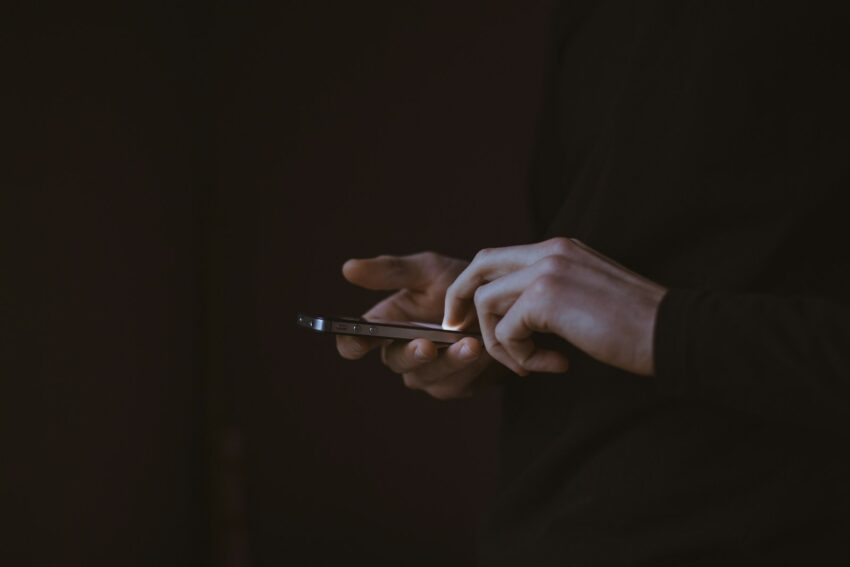
One of my favorite times of the day is when I get done with all my classes, finish up my homework and can mentally retire for the night. When I close the door to my room, I immediately hop into bed and turn on my phone. Nine times out of ten, I’m tapping on TikTok, Instagram or YouTube, and for the next few hours, I’m booked and busy.
I know this isn’t an isolated event. According to a study done by the National Library of Medicine, 72% of adolescents use their phones for at least an hour before going to bed. That fact is no surprise with the world’s increasing dependency on technology. According to the National Skills Coalition, 92% of jobs require some level of digital skills. In other words, there’s no escaping technology anytime soon, but we may be able to escape its negative effects.
Everybody has a biological time clock that helps sense what time of day it is without needing to look at a clock. In the mornings, our bodies release a hormone known as cortisol, which helps wake the body up and keep the mind alert. As the day continues, our bodies release another hormone called melatonin, which makes you sleepy.
When looking at a backlit screen, such as computers, phones, Kindles and even LED lights, they emit something called blue light. According to the National Library of Medicine, this type of light delays the body’s circadian rhythm, making you feel awake when you’re usually winding down. Children and young adults are particularly vulnerable to this due to addictive, short-form content that is meant to stimulate the brain.
Popular platforms like TikTok, Facebook, Instagram and YouTube all have shorts or reels features. These videos are usually only a couple of seconds long, with a beginning and a conclusion. This form of content is fast-paced and satisfying; therefore, it can become addictive. With the blue lights keeping you awake and the videos sucking you in, it can feel impossible to break away from the phone and close your eyes.
But there are ways to break this pattern. One approach would be to set your phone down thirty minutes to an hour before going to bed. Reading a book, coloring, journaling or even listening to music can all be great ways to substitute screen time. Creating a bedtime routine is another great way to trick your body into getting tired. Having a habitual set of steps will not only help you wind down but also help your circadian rhythm. This can include doing your skincare, taking a shower, reading, etc.
Most importantly, get rid of the lights! When you’re ready to sleep, make sure you turn off any lights, creating a soft and dark space for yourself. As discussed before, our bodies are very sensitive to light, so the darker the better. This includes the LED lights you bought in 2020 and still have because they also contain blue light wavelengths.
Although technology and screens are integrated into our lives, it doesn’t mean we have to let them destroy our mental and physical health. Reducing screen time at any chance you get can only be beneficial. Take the free time to do something for yourself, take care of yourself.